medical practice billing software
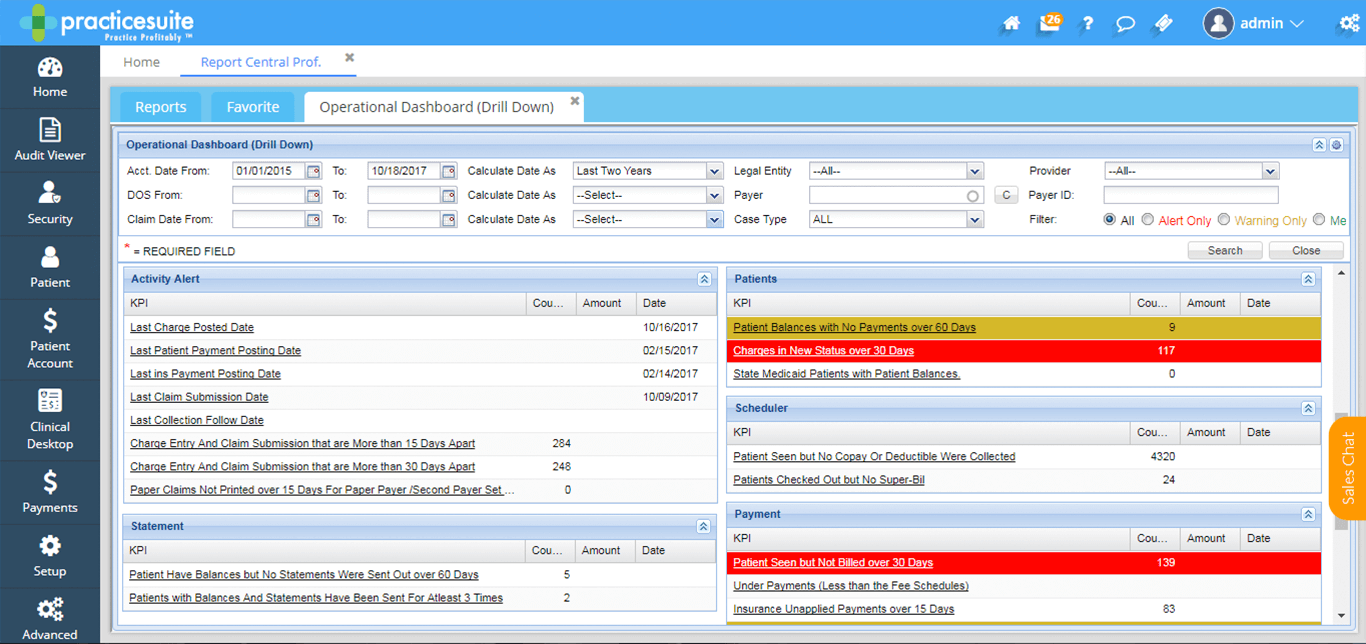
In today's rapidly evolving healthcare industry, efficient billing processes are crucial for the success of medical practices. With the increasing complexity of insurance claims and the need for accurate documentation, medical practice billing software has become a necessity. This advanced software solution offers a wide range of benefits, from streamlining the billing process to reducing errors and improving revenue cycle management. In this article, we will explore the key features and advantages of medical practice billing software, and how it can revolutionize your practice's financial operations.
The Benefits of Medical Practice Billing Software
Implementing a reliable medical practice billing software can bring numerous advantages to your practice. Here are some key benefits:
1. Streamlined Billing Process
Gone are the days of manually processing paper claims and invoices. Medical practice billing software automates the billing process, allowing you to submit claims electronically with just a few clicks. This not only saves time but also reduces the risk of errors or missing information.
2. Improved Efficiency
With intuitive interfaces and user-friendly features, medical practice billing software enables your staff to work more efficiently. It simplifies tasks such as patient registration, insurance verification, coding, and claim submission, reducing the administrative burden and freeing up valuable time.
3. Error Reduction
Manual data entry can lead to human errors, which can have a significant impact on your practice's revenue. By using medical practice billing software, you can minimize mistakes in coding, documentation, and claim submission. The software automatically checks for errors, ensuring accurate and compliant billing.
4. Enhanced Revenue Cycle Management
Efficient revenue cycle management is crucial for the financial success of any medical practice. Billing software provides real-time visibility into your practice's financial health, allowing you to track claims, monitor payments, and identify any bottlenecks or issues in the revenue cycle. This enables you to take proactive measures to optimize your practice's revenue.
5. Compliance with Regulations
The healthcare industry is constantly evolving, with new regulations and coding standards. Medical practice billing software stays up-to-date with the latest industry changes and ensures compliance with regulations such as HIPAA and ICD-10. This helps you avoid penalties and legal issues related to non-compliance.
6. Detailed Reporting and Analytics
Medical practice billing software provides comprehensive reporting and analytics capabilities. It generates detailed reports on key performance indicators, such as revenue, claim denial rates, and average reimbursement times. These insights allow you to identify trends, make informed business decisions, and improve the overall financial performance of your practice.
In conclusion, investing in a reliable medical practice billing software can significantly streamline your billing processes, improve efficiency, reduce errors, enhance revenue cycle management, ensure compliance, and provide valuable insights through detailed reporting and analytics. By leveraging the benefits of this advanced software solution, your practice can achieve greater financial success while focusing on delivering quality patient care.
Key Features to Look for in Medical Practice Billing Software
When selecting a medical practice billing software, it's essential to consider the following key features:
1. Electronic Claims Submission
Ensure that the software supports electronic claims submission to insurance payers. This feature allows you to submit claims quickly and efficiently, reducing processing time and improving cash flow.
2. Coding and Documentation Assistance
Look for software that offers coding and documentation assistance. This feature helps ensure accurate coding, reduces the risk of claim denials, and improves reimbursement rates.
3. Integration with EHR/EMR Systems
Integration with your Electronic Health Records (EHR) or Electronic Medical Records (EMR) system is crucial for seamless data flow. This integration eliminates the need for duplicate data entry and enhances overall efficiency.
4. Claims Management and Tracking
Choose a software solution that provides robust claims management and tracking capabilities. This feature allows you to monitor the status of claims, identify any bottlenecks, and take appropriate actions to ensure timely reimbursement.
5. Automated Patient Eligibility Verification
Automated patient eligibility verification is a valuable feature that helps prevent claim denials due to patient eligibility issues. The software should integrate with insurance databases to verify patient coverage and eligibility in real-time.
6. Reporting and Analytics
Look for a software system that offers comprehensive reporting and analytics functionalities. This allows you to analyze key billing metrics, track performance indicators, and make data-driven decisions to optimize revenue and operational efficiency.
7. Compliance and Security
Ensure that the billing software complies with industry regulations such as HIPAA and safeguards patient data with robust security measures. This ensures the privacy and confidentiality of patient information.
By considering these key features, you can select a medical practice billing software that aligns with your practice's needs and maximizes operational efficiency, revenue generation, and compliance.
Factors to Consider When Choosing Medical Practice Billing Software
When choosing medical practice billing software, consider the following factors to ensure a successful implementation:
1. Scalability and Customizability
Opt for a software solution that can scale with your practice's growth and can be customized to meet your specific needs. This flexibility allows you to adapt the software as your practice evolves and expands.
2. Ease of Use and Training
Choose user-friendly software that is intuitive and easy to navigate. This reduces the learning curve for your staff and minimizes the need for extensive training. Look for software providers that offer comprehensive training and ongoing support.
3. Compatibility with Existing Systems
Ensure that the billing software is compatible with your existing systems, such as practice management software or electronic health records. Seamless integration between these systems streamlines workflows and eliminates data entry redundancies.
4. Cost-effectiveness
Consider the cost-effectiveness of the software solution. Compare pricing models, including upfront costs, maintenance fees, and any additional charges for upgrades or support. Balance the cost with the benefits and long-term value the software brings to your practice.
5. Vendor Reputation and Support
Research the reputation and track record of the software vendor. Read reviews, seek recommendations, and assess their customer support services. A reputable vendor with responsive support ensures a smooth implementation and ongoing assistance when needed.
6. Regulatory Compliance
Verify that the software complies with industry regulations, such as HIPAA, to protect patient privacy and maintain data security. The software should have robust security features and regularly update its compliance protocols to stay up-to-date with changing regulations.
7. Feedback from Other Users
Consider feedback from other users of the software solution. This can provide valuable insights into its performance, reliability, and user satisfaction. Look for testimonials or case studies from similar medical practices.
By evaluating these factors, you can make an informed decision when selecting medical practice billing software that aligns with your practice's requirements, enhances efficiency, and contributes to financial success.
Implementation and Adoption of Medical Practice Billing Software
The successful implementation and adoption of medical practice billing software are crucial for maximizing its benefits. Consider the following steps:
1. Assess Your Practice's Needs
Before implementation, assess your practice's specific needs and challenges. Identify areas where the software can improve efficiency, streamline processes, and address existing pain points.
2. Plan the Implementation Process
Create a detailed implementation plan that outlines the timeline, roles, and responsibilities of staff members involved. Define milestones and allocate resources accordingly. Ensure that all stakeholders are informed and engaged throughout the process.
3. Data Migration and Integration
If migrating from an existing system, ensure a smooth transition of data. Collaborate with the software provider to migrate patient and billing data accurately. Test integration with other systems to ensure seamless data flow.
4. Training and Education
Provide comprehensive training to staff members who will be using the software. This includes training on navigation, entering data, generating reports, and troubleshooting common issues. Ongoing education is essential to keep staff updated on software updates and new features.
5. Monitor and Evaluate Performance
Regularly monitor the performance of the software and evaluate its impact on your practice's operations and financials. Track key performance indicators such as claim submission speed, denial rates, and revenue cycle metrics. Identify areas for improvement and address them promptly.
6. Seek User Feedback
Solicit feedback from staff members who use the software daily. Encourage them to share their experiences, suggestions, and any challenges they encounter. This feedback can help identify areas for optimization and ensure user satisfaction.
7. Stay Updated with Software Updates
Stay informed about software updates and new features. Regularly review release notes provided by the software vendor and assess the potential benefits of updates. Implement updates promptly to take advantage of improved functionality and bug fixes.
By following these steps, you can ensure a smooth implementation and adoption of medical practice billing software, leading to improved efficiency, accuracy, and financial performance for your practice.
Conclusion: Transform Your Billing Processes with Medical Practice Billing Software
Implementing medical practice billing software can revolutionize your billing processes, enhance efficiency, and improve revenue cycle management. By automating tasks, reducing errors, and providing comprehensive reporting capabilities, this software solution streamlines your practice's financial operations.
Seamless Integration and Customization
Look for software that seamlessly integrates with your existing systems, such as EHR/EMR, and offers customization options to meet your specific needs. This ensures a smooth workflow and eliminates duplicate data entry.
Efficient Claim Submission and Tracking
With electronic claims submission and robust tracking functionalities, medical practice billing software accelerates the reimbursement process and reduces claim denials. Real-time visibility into claim status allows you to address any issues promptly and optimize revenue.
Compliance and Security
Ensure that the software complies with industry regulations, such as HIPAA, and prioritizes data security. Protecting patient information is essential to maintain trust, avoid penalties, and safeguard your practice's reputation.
Continuous Support and Updates
Choose a reputable software vendor that offers comprehensive support, training, and regular updates. This ensures that your practice stays current with industry changes, regulations, and software enhancements.
By carefully selecting and implementing medical practice billing software, you can transform your billing operations, save time, reduce errors, and optimize revenue generation. Embrace the power of technology to streamline your practice's financial processes and focus on delivering quality care to your patients.
In conclusion, medical practice billing software offers numerous benefits for healthcare providers. By streamlining the billing process, improving efficiency, reducing errors, and enhancing revenue cycle management, this software solution revolutionizes the financial operations of medical practices. With features such as electronic claims submission, coding assistance, and detailed reporting, it simplifies tasks, improves accuracy, and provides valuable insights. Additionally, factors like scalability, compatibility, and vendor support should be considered when choosing the right software. With proper implementation, training, and ongoing support, medical practice billing software can transform your practice's billing processes, optimize revenue, and ensure compliance with industry regulations. Embrace this advanced technology to streamline your operations and focus on delivering quality care to your patients.
Posting Komentar